Two standout picks for plus-size athletes are the Junlan Sauna Suit for women belly-fat workouts and a HIIT interval game designed by a military fitness expert. The sauna suit promotes full-body sweating with a heat-trapping, full-coverage design and breathable, durable fabric that’s easy to slip on. The HIIT game offers bodyweight routines, 4–20 minute sessions, and scalable intensity with strategy cards. Both prioritize fit accuracy, comfort, and durability—and you’ll learn more after this.
| Junlan Sauna Suit for Women Belly Fat Workout | Best Overall Fit for Curves | Target: Full body coverage | Purpose: Sweat/sauna effect during workouts | Fit: One-piece full-body suit | VIEW LATEST PRICE | Read Our Analysis | |
| HIIT Interval Workout Game with Military Fitness Expert |

| Easy-Start HIIT Guide | Target: Full body coverage | Purpose: HIIT bodyweight workouts | Fit: Separate cards for workouts (implies wearable-ready, no extra gear) | VIEW LATEST PRICE | Read Our Analysis |
More Details on Our Top Picks
Junlan Sauna Suit for Women Belly Fat Workout
Best Overall Fit for Curves
View Latest PriceThe Junlan Sauna Suit for Women Belly Fat Workout stands out for its heat-trapping polymer fabric, delivering a stronger sauna effect and greater sweat volume than neoprene. You wear a full-body one-piece design (92% polyester, 8% spandex) that comfortably hugs your shape, holds in heat, and remains easy to put on or take off. It promotes whole-body perspiration, targets back and belly fat via full coverage, and eliminates the need for separate gear. You’ll notice increased sweat volume, supported by high marks for sauna effect versus neoprene, and real-user praise for a drenched, workout-ready experience. Drink water; maximize results.
- Target:Full body coverage
- Purpose:Sweat/sauna effect during workouts
- Fit:One-piece full-body suit
- Use Case:Gym, home, travel
- Customization/Progression:Size options (Small listed)
- Guidance/Instructions:Noted user experience and sauna emphasis
- Additional Feature:Full body one-piece design
- Additional Feature:Heat-trapping polymer fabric
- Additional Feature:Sweat volume claims vs neoprene
HIIT Interval Workout Game with Military Fitness Expert
This HIIT Interval Workout Game, designed by military fitness expert Sergeant Volkin, stands out for anyone seeking fast, equipment-free training that scales to all fitness levels. The Stack 52 HIIT Interval Workout Game delivers video-guided, bodyweight routines with no gear required, enabling workouts anywhere, anytime. HIIT reliably burns fat and raises fitness faster than traditional methods, and this program draws on a medal-winning mastermind behind Army-approved plans. You can customize sessions from 4 to 20 minutes with progressive difficulty, no planning or memberships needed. Play solo or with others, using strategy cards for varied, engaging workouts and consistent results.
- Target:Full body coverage
- Purpose:HIIT bodyweight workouts
- Fit:Separate cards for workouts (implies wearable-ready, no extra gear)
- Use Case:Anywhere, anytime (no equipment)
- Customization/Progression:Progressive difficulty (4–20 minutes, scalable)
- Guidance/Instructions:Video demonstrations via smartphone app
- Additional Feature:Video demonstrations via scan
- Additional Feature:No equipment needed
- Additional Feature:Progressive difficulty range
Factors to Consider When Choosing Fitness Clothes for Fat People
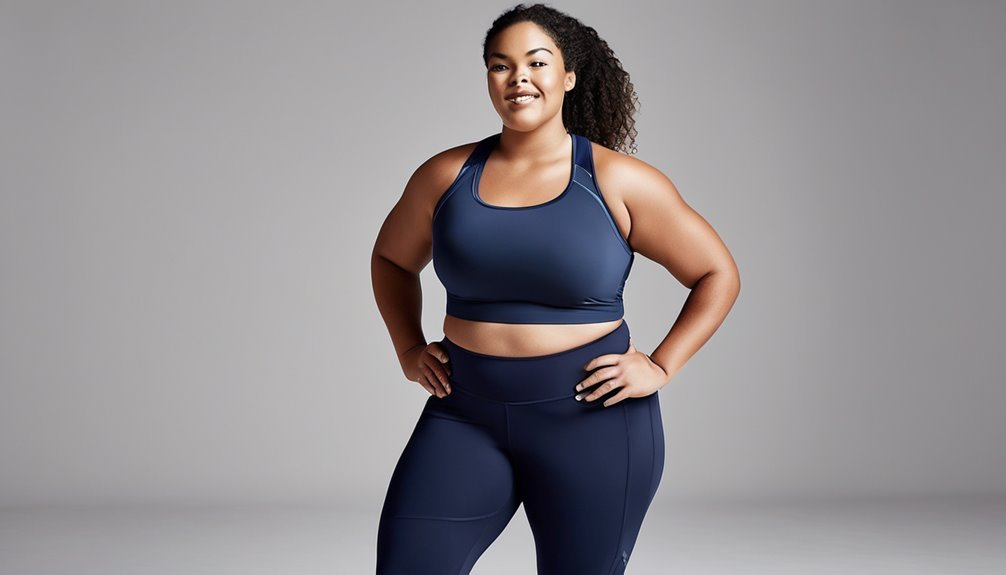
When you pick fitness apparel, start with Size and Fit Accuracy to ensure you actually wear the garment as intended and avoid constant readjusting. Next, prioritize Breathability and Comfort along with Fabric Stretch & Support so you stay cool, mobile, and covered through moves that demand range and stability. Finally, assess Coverage and Seaming plus Durability & Care to choose pieces that endure frequent washing and high-intensity sessions without compromising fit.
Size and Fit Accuracy
Do you know how much size accuracy matters when you’re moving through dynamic workouts? Accurate size and fit are critical because many plus-size workouts require more room in the hips, thighs, and chest to avoid restriction and ensure full range of motion. Look for a size chart with actual body measurements (bust, waist, hip) rather than generic S/M/L labels to reduce guesswork. Consider stretchy, breathable fabrics with ample seam allowance and adjustable closures to accommodate fluctuating weight and body shapes. Check for product reviews or guidance on fit for heavier bodies to gauge whether items run large, true to size, or small. Prioritize designs with reinforced seams and supportive panels that maintain fit during dynamic movements like squats or jumps.
Breathability and Comfort
Breathability and comfort are essential for heavier individuals to prevent overheating during workouts. You should select fabrics with moisture-wicking, breathable fibers that promote air circulation, reducing heat buildup. Lightweight, stretchy materials with mesh panels or ventilation zones help maintain cooler, longer sessions without bulk. Even full-coverage designs must incorporate ventilation features to promote airflow across the torso, back, and underarms, supporting sustained comfort during intense sweat, not just casual activity. Prioritize thoughtful seam placement and flatlock stitching to minimize chafing when you sweat more, preserving comfort across workouts. Make certain breathable garments provide a secure yet relaxed fit, avoiding excessive compression that restricts movement or hinders cooling. In short, balance ventilation, stretch, and fit to optimize comfort and performance.
Fabric Stretch & Support
Superior fabric stretch is non-negotiable for plus-size athletes: you want four-way stretch that moves with your body in every direction, not just horizontally. Look for fabrics with high stretch recovery, like spandex blends, to ensure a snug fit that follows curves without sagging or constricting. Prioritize overall four-way stretch—horizontal and vertical—to provide consistent support during dynamic movements. Favor garments with built-in compression panels in key areas (core, hips, thighs) to aid shape and reduce chafing while maintaining comfort. Consider blends that balance elasticity with breathability, such as polyester-spandex or nylon-spandex, to support motion without overheating. Check reinforced seams and flatlock stitching to minimize bulk and maximize durability under frequent stretching and washing.
Coverage and Seaming
Coverage and seaming substantially influence comfort and sweat management. You’ll optimize comfort when garments offer full-body coverage, since this reduces sweat concentration and distribution gaps compared with segmented designs. One-piece constructions minimize seam gaps, cutting rubbing and chafing across larger frames during movement. Flatlock or seamless stitching further lowers skin irritation and pressure points sustained over extended wear. Strategically placed panels and reinforced inseams can boost durability and withstand high-motion activities without tearing. Reduced exposed front or back areas help prevent friction hotspots and support consistent fabric alignment throughout exercise. Prioritize designs that balance coverage with breathability; note that full or integrated seams often deliver steadier fit and reduced heat buildup, enhancing long-session comfort for plus-size athletes.
Durability & Care
How durable are fitness garments for fat bodies, and what design choices make them last? You should seek fabrics with strong abrasion resistance and reinforced seams to withstand stretching and daily wear for larger sizes. Favor breathable, moisture-wicking materials to manage sweat and reduce chafing during workouts. Check for laundry durability features, such as colorfast dyes and fade-resistant finishes, to maintain fit and appearance after repeated washing. Prioritize stretchy, adaptive fits (e.g., spandex blends) and generous inseams to accommodate different body shapes without restricting movement. Ensure easy care options, like machine washable and quick-drying fabrics, to simplify regular cleaning and prolong garment lifespan. When combined, these elements deliver reliable performance and lasting shape for bigger athletes.
Practical Versatility
Practical versatility matters since you want a single set of clothes that supports cardio, strength work, and everyday tasks without needing multiple outfits. Choose full-body or high-coverage designs to boost comfort and sweat management across varied workouts, minimizing extra layers or sauna-style gear. Look for adaptable fabrics that balance stretch, breathability, and moisture-wicking to accommodate different body shapes during diverse exercises. Prioritize easy-on/easy-off features and forgiving fits to ease transitions between activities and reduce strain during donning and doffing. Durability and shape retention matter, so pick garments that withstand frequent washing and high-movement routines. By focusing on versatility, you secure long-term use across workouts, errands, and daily tasks, simplifying your wardrobe while preserving performance and comfort.
Frequently Asked Questions
How Do I Measure Bra and Bottom Sizes Accurately for Activewear?
To measure bra and bottom sizes accurately for activewear, you start with a precise, round-number approach. For bras, wrap a soft tape under your bust, pull snug, and note the measurement; then measure around the fullest part of your bust and subtract the band size to find cup size. For bottoms, measure at the hips and waist, then consult a size chart to choose the closest fit. Prefer stretchy fabrics and test movement.
What Fabrics Prevent Chafing During Long Workouts?
The best fabrics to prevent chafing during long workouts are seamless or flat-locked knits with high polyester or nylon content, plus spandex for stretch. Look for moisture-wicking, breathable weaves, and a smooth surface like polyester blends or merino with anti-chafe finishes. Avoid cotton; it traps sweat. Consider gusseted seams, adequate coverage, and flat seams to minimize friction. Pair with snug, moisture-wicking underlayers to reduce heat buildup and skin irritation over extended sessions.
Can Compression Wear Aid Recovery Without Restricting Movement?
Compression wear can aid recovery without restricting movement. It supports muscle groups, reduces vibration, and may improve venous return, which helps reduce soreness after workouts. Nevertheless, its effects vary by fabric, fit, and individual needs, so use it as a complement to rest, hydration, and proper programming. You’ll likely notice less fatigue when you pair it with easing into training, not as a substitute for quality sleep. Think of it as supportive armor, not a clamp.
Do Plus-Size Options Offer Inclusive Length for Tall Builds?
Yes, plus-size options increasingly offer inclusive lengths for tall builds. Look for tall-proportioned lines with inseams labeled as tall, long-length tops, and mid-rise or high-rise designs that stay covered during movement. Brands often include stretch fabrics and reinforced seams to prevent gaps. Check product notes for inseam measurements, model height, and fit reviews from tall customers. If unsure, choose pieces with adjustable hems or longer tunics to ensure full coverage during workouts.
How Often Should I Replace Workout Clothes for Hygiene?
You should replace workout clothes every 6–12 months for hygiene, or sooner if you notice odor retention, persistent stains, thinning fabric, or stretched seams. High-sweat items like shirts, leggings, and socks deserve more frequent changes. If you exercise daily or share gear, sanitize between uses and consider rotating sets to reduce bacterial buildup. Replace sports bras every 6–12 months for support degradation; discard worn-out gear promptly to protect skin and performance.