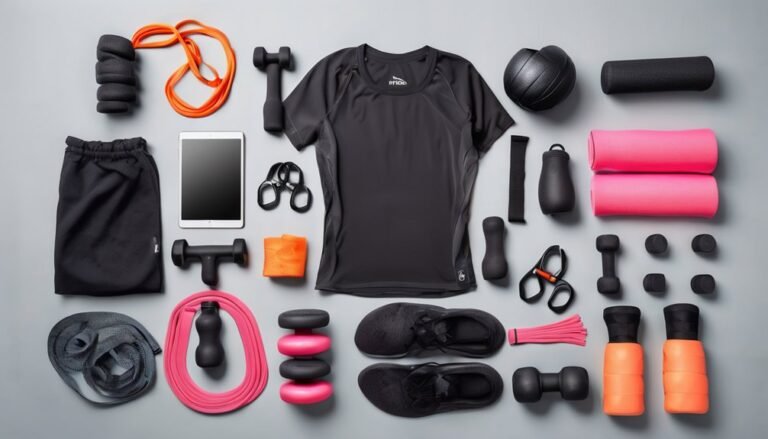
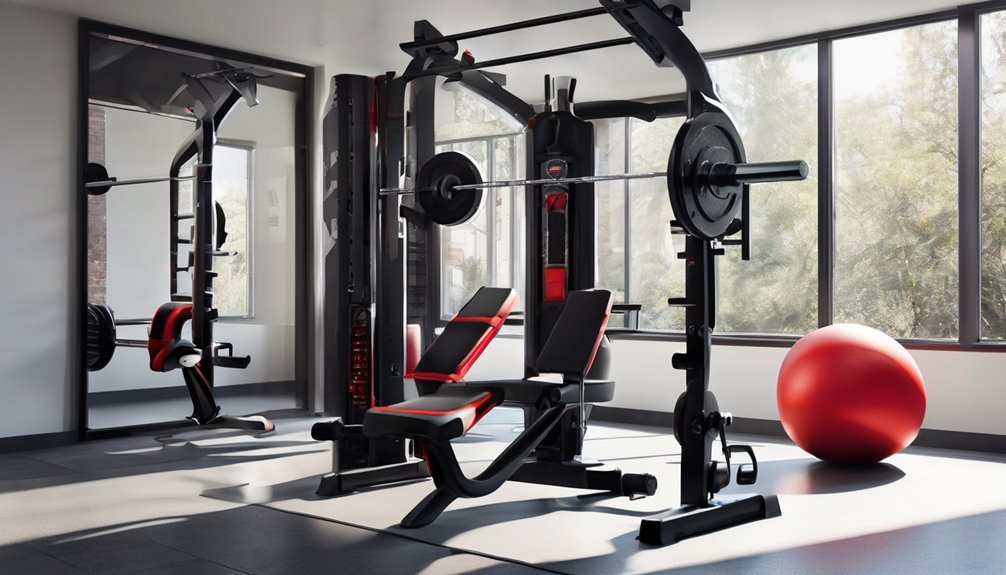
If you want solid value, consider the Fitvids all-in-one for diverse full-body work with a 1000 lb system and durable 1.5-inch steel construction, saving space while handling heavy use. The Push Up Board with Pilates Bar adds compact versatility and a broad accessory set for targeted moves, though setup can take longer. The Yoleo Adjustable Weight Bench offers superb adjustability and stability in a foldable design, handy for space-saving workouts. Continue to uncover how these fit your budget and goals.
Key Takeaways
- Prioritize systems with multi-functionality (pulley/weight stack) to maximize workouts per dollar and minimize extra gear needs.
- Compare total cost of ownership, including warranty and long-term durability, not just upfront price.
- Value is enhanced by higher weight stacks and robust cables, signaling longevity and broader exercise options.
- Space-saving, modular designs offer better long-term value for apartments or small studios.
- Ensure safety and capacity align with user needs (weight limits, build quality, and upgrade potential).
Fitvids Home Gym Equipment (All-in-One)
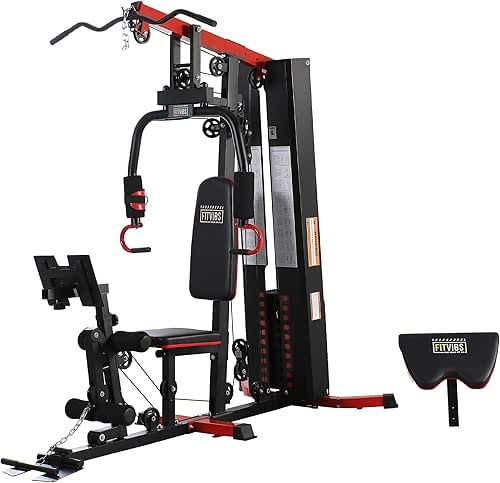
If you want a compact, all-in-one machine that doesn’t force you to sacrifice versatility for space, the Fitvids Home Gym Equipment stands out. You get a multifunctional, full-body setup with a weight stack and pulley system tailored for all fitness levels. Built from industrial-grade 1.5-inch steel tubing and aircraft cables, it supports up to 375 lbs user weight and up to 1000 lbs total, with a 1000 lb capacity-tested, nylon-coated cable. With 15 pulleys, high and low options, and 80% of muscle coverage, you can do lat pulldowns, rows, butterfly presses, and more. Its 42x68x78″ footprint fits tight spaces. Includes 122.5 lb weight stack and 2-year warranty.
Best For: Those seeking a compact, all-in-one home gym that offers versatile full-body strength training without sacrificing space.
Pros:
- All-in-one system with a weight stack and pulley setup for a wide range of exercises
- Durable construction using industrial-grade steel and nylon-coated cables with a high weight capacity
- Space-saving footprint (42x68x78 inches) suitable for apartments, basements, or garages
Cons:
- Higher upfront cost compared to basic free-weight setups
- 122.5 lb weight stack may limit progression for advanced lifters seeking heavier loads
- Larger footprint may still be challenging in very small rooms or restricted spaces
Push Up Board Home Gym Set with Pilates Bar and 20 Fitness Accessories including Resistance Bands and Ab Roller Wheel

This Push Up Board Home Gym Set stands out for anyone seeking a compact, all-in-one solution that targets multiple muscle groups with color-coded positions. You get a foldable Push Up Board, a 3-section Pilates Bar, and 20 accessories, including six resistance bands, two ankle straps, a door anchor, and an ab roller wheel. The system supports full-body workouts at home, replacing bulky gear with a portable pack. Its color-coded design targets chest, triceps, shoulders, and back, boosting efficiency by about 80%. Lightweight, stable, and adjustable, it fits all fitness levels and spaces, offering value through versatility and continuous support.
Best For: those seeking a compact, all-in-one home gym solution that targets multiple muscle groups with color-coded positions and adjustable intensity for all fitness levels.
Pros:
- All-in-one portable system replaces bulky gym equipment with a compact setup.
- Color-coded push up board design enhances targeted workouts for chest, triceps, shoulders, and back.
- Includes a versatile set of accessories (Pilates bar, resistance bands, ankle straps, door anchor, ab roller) for full-body training.
Cons:
- May require enough floor space for safe use and full range of motion.
- Some users might prefer separate, dedicated machines for advanced strength training.
- Assembly and setup could be time-consuming for beginners.
Yoleo Adjustable Weight Bench for Full Body Workout

The Yoleo Adjustable Weight Bench stands out for its 84 adjustable settings, enabling quick, secure transitions between incline, decline, and flat positions to power a full-body routine in a compact home gym. You’ll appreciate its heavy-duty steel build and double-triangle supports that boost stability during heavy presses and rows. With 7 back, 4 seat, and 3 leg adjustments, the ladder-style system keeps changes fast and precise. When folded, it’s compact at 31.5L x 12.6W x 13H and weighs about 23.1 pounds, yet unfolds to accommodate up to 42.5H. Foam padding and PU leather deliver comfort and durability. Replacement service backs quality.
Best For: Home gym users seeking a compact, highly adjustable bench for full-body workouts with quick setup and solid stability.
Pros:
- 84 adjustable settings (7 back, 4 seat, 3 leg) for versatile incline, decline, and flat positions.
- Heavy-duty steel frame with double-triangle supports enhances stability during heavy lifts.
- Foldable design with compact folded dimensions and light weight for easy storage and portability.
Cons:
- 23.1 lb weight may still be heavier for some users to move frequently.
- The multiple adjustments, while versatile, could have a learning curve for new users.
- Padding thickness is listed (1.4″ back/seat; 2.4″ leg) but long-term durability under heavy use may vary; replacement service mitigates concerns.
Factors to Consider When Choosing Home Gym Equipment for the Money
When you’re choosing home gym gear, weigh Price vs Value to get the best long-term return on your investment. Consider Space Efficiency and Versatility Range so you fit more workouts into less floor area without sacrificing options. Look at Build Durability and Weight Capacity to ensure the equipment lasts and supports your future training goals.
Price Vs Value
Is price the sole determinant of value when choosing home gym gear, or do you need to look at total ownership? You should consider total cost of ownership, not just upfront price. Durability matters: a 1000 lb capacity test and 375 lb user weight limit signal longer life and steadier performance, boosting value beyond initial cost. Look for versatile features, like multiple pulley systems and wide muscle coverage, which provide more workout variety for a similar price. A higher weight stack (around 122.5 lb) and solid construction—industrial steel, aircraft cables—tend to translate into better longevity and reliability. Space-saving designs also raise value by reducing the need for extra room or gear. Finally, a solid warranty and responsive support can offset higher upfront costs with peace of mind.
Space Efficiency
Space efficiency should guide your home gym choices as much as price. You’ll want compact machines, like 42x68x78 inches, that fit in apartments, garages, or basements without limiting workout variety. Multi-function units save space by combining presses, rows, and lat pulldowns into one station, reducing the need for several machines. Weight stacks and pulley systems should balance capacity with footprint, such as a 122.5 lb stack and a 375 lb user weight limit, to maximize usable space. Foldable or detachable components—like rods or benches—enhance storage and leave room for other activities. Don’t overlook dimensional and weight considerations, plus warranty and reliability data, to determine long-term space usability and maintenance needs. Space-aware choices sustain ongoing workouts and home layout flexibility.
Versatility Range
Versatility range is key to getting the most value from a home gym. You’ll gain more if a unit covers multiple exercises, like a full-body setup with 15 pulleys that targets about 80% of muscle groups. Systems that blend weight stacks with adjustable pulleys let you sequence strength moves and cardio/HIIT in one machine, maximizing workouts per dollar. Detachable components, such as rods or extra bars, expand accessory compatibility and diversify exercises without buying another unit. Color-coded or modular attachments help you quickly hit chest, back, shoulders, and legs with precision, saving setup time. Foldable or compact designs that preserve incline/decline/flat options and high/low pulley ranges boost versatility in small spaces without compromising exercise variety.
Build Durability
Durability matters as much as price when choosing a home gym, so look for equipment built with industrial-grade materials and proven load ratings. You want 1.5-inch thick steel tubing and 1000 lb tested cables to guarantee long-term performance under heavy use. Always verify maximum user weight and total system capacity (for example, 375 lbs user + 1000 lbs total) to prevent overstress. Check for durable components like nylon-coated aircraft cables and reinforced welds to minimize wear and breakage over time. Favor multi-grommet, multi-pulley designs that distribute stress evenly, extending service life. Consider warranties, such as 2-year coverage, as indicators of manufacturer confidence in durability and post-purchase support. Prioritize these factors to maximize value without sacrificing reliability.
Weight Capacity
Weight capacity is the backbone of safe, effective workouts at home. This spec defines the maximum load your system can safely handle, including your weight and any added resistance or plates. Look for a clear, labeled maximum user weight alongside the total combined weight limit (stack plus user) to ensure you stay within safe bounds. Higher weight capacities usually signal sturdier construction—reinforced frames and stronger cables or pulleys that resist fatigue over time. If more than one person with different strengths uses the machine, prioritize models with adjustable weight stacks or higher total weight limits to accommodate variability. Always verify that the stated capacity matches your heaviest expected exercise and user scenario to prevent overloading components.
Upgrade Path
Wondering how to get more value from a home gym over time? Look for modular, upgradeable components that extend lifespan and versatility, like heavier weight stacks or extra pulley attachments. Seek equipment with scalable resistance options to match growing strength without full replacements. Favor systems that support multi-muscle, full-body exercises to maximize return as your routines evolve. Prioritize sturdy construction and durability—industrial-grade steel and high weight capacities—so you can add accessories without compromising reliability. Choose a clear upgrade roadmap or a compatible accessory ecosystem to minimize future compatibility issues and ease feature integration. This approach helps you future-proof your setup, ensuring each new module delivers meaningful gains while preserving the core investment you’ve already made.
Warranty Coverage
When evaluating warranty coverage, you want clarity on parts and labor, the duration, and what counts as normal wear. Look for a warranty that covers both parts and labor for at least 1–2 years, with explicit terms on wear items like cables and pads. Verify maximum weight capacity and confirm whether damage from normal use is covered or only manufacturing defects. Check if extended or lifetime warranties are available and understand what conditions void coverage, such as improper assembly or misuse. Ensure the warranty is transferable to another owner, since that affects resale value. Review the claim process, required documentation, and turnaround time to gauge how quickly issues are resolved. A clear, comprehensive plan saves you time and protects your investment.
Frequently Asked Questions
What Warranty Should I Expect on Home Gym Gear?
Warranty you should expect varies by product, but start with at least 1–3 years for frames, 1–2 years for parts, and 90 days to 1 year on upholstery. Register, read terms, and know transferability and service options.
How Much Space Do I Need for a Full Setup?
You’ll need about 120 to 150 square feet for a full setup, plus extra clearance for safety. Measure ceiling height and leave at least 2–3 feet of space around each machine, so you can move freely and adjust safely.
Are Used or Refurbished Pieces Worth It?
Cozy coincidence: you’ll often get solid value from used or refurbished pieces if you inspect condition, warranty, and parts availability. You’ll save money upfront, but verify ride-along costs, reliability, and safety before committing to a purchase.
Which Brands Offer Best Customer Support?
You should consider brands known for solid support like NordicTrack, Bowflex, and Life Fitness; they typically offer responsive service, easy returns, extensive warranties, and helpful online resources, so you won’t be left waiting when issues arise.
What Maintenance Is Required for Long-Term Value?
Keep it simple: maintain your equipment regularly by wiping down surfaces, lubricating moving parts, and tightening bolts. Schedule annual inspections, follow manufacturer guidelines, and store properly to protect parts—it pays off in the long run, hands-down.
Conclusion
When you’re choosing home gym gear, think value over vanity and pick pieces that cover your basics without breaking the bank. The right all-in-one setup, a versatile bench, and smart accessories keep your routine varied and affordable. Don’t chase every gadget—focus on durability, utility, and space. Like a well-tuned instrument, the right trio plays harmonious workouts every day, building strength from the ground up without wasted dollars. Your money, your momentum, your fit future.